Quick to start
There should be no long setup or training. A phone or older computer is enough.
Many small shops still manage stock with paper, chat messages, and memory. We work with owners to sort out that daily work and turn it into software they will actually use.
 01 / 04
 02
02 03
03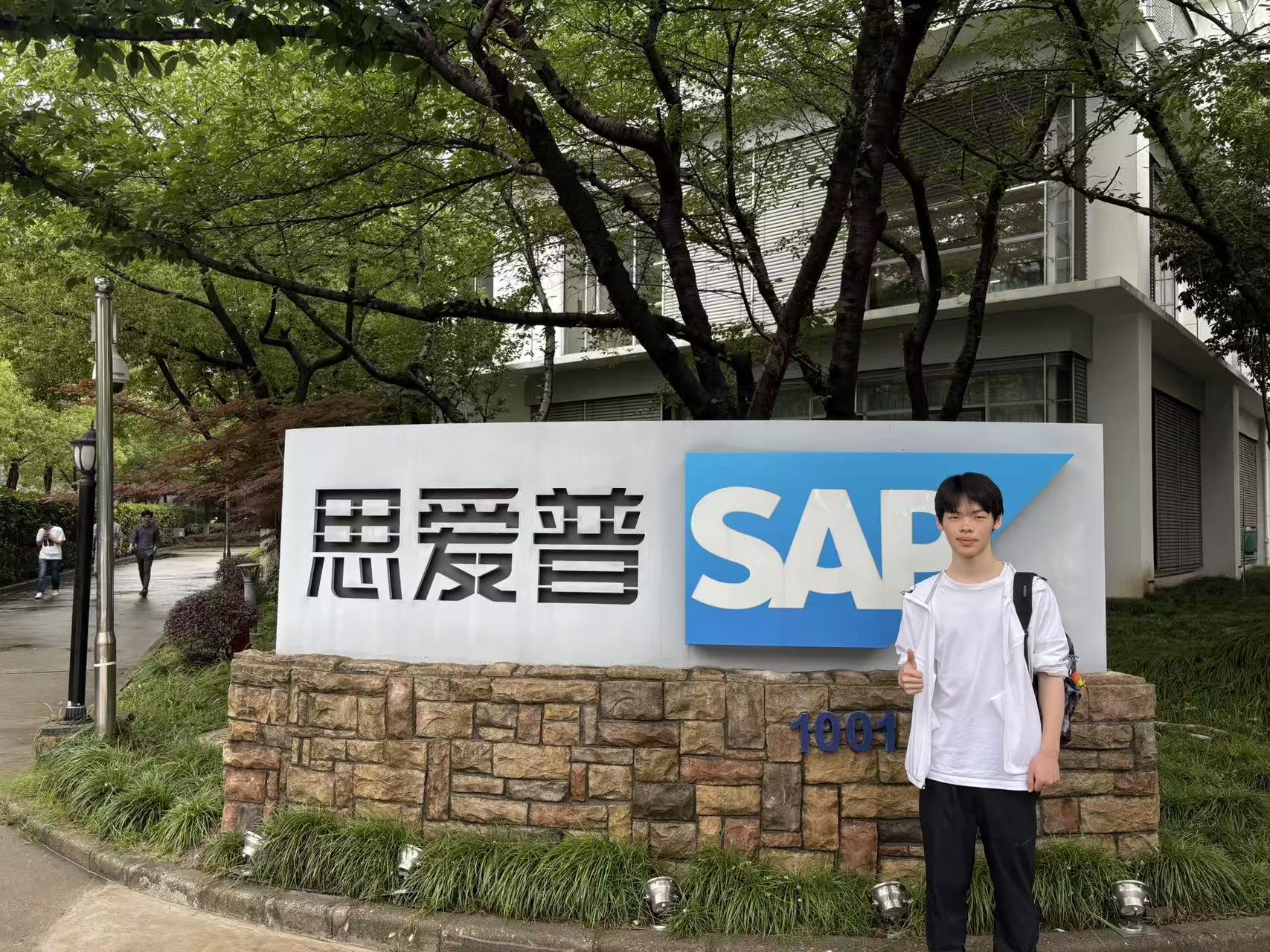 04
04Based on sales stock and business context
Owners make decisions all day, but the information is often split between paper, phones, and memory. Existing software can be expensive, heavy, and out of step with how they work. BizEase is our attempt to make it simpler.
There should be no long setup or training. A phone or older computer is enough.
Restock suggestions show the sales, stock, weather, and owner notes behind them.
BizEase offers a reference. The final order still belongs to the shopkeeper.
This is a real restocking example from the product. Change the weather or add a nearby event and the quantity changes with it. The full product also covers sales, inventory, customers, and marketing.
We are currently working with local businesses through a free pilot program. As BizEase scales, we plan to introduce low-cost subscription plans designed for small business owners.
BizEase plans to extend from software into practical hardware for shops and warehouses, including OCR-enabled cameras for smarter inventory management. These products remain on the roadmap and will be tested with shopkeepers.
BizEase is a social enterprise. Right now, the team is focused on one job: turning the most time-consuming and error-prone parts of running a small shop into simple, affordable tools.
We ask how owners record sales, order stock, and where time gets lost. Then we map the workflow and test a prototype. A feature stays only if it is useful in the shop.
Listen in the shop, map the work, and choose what the next version should solve.
Turn sales and stock records into stable features that are easy to understand.
Invite owners to try the product and bring the rough edges back to the team.
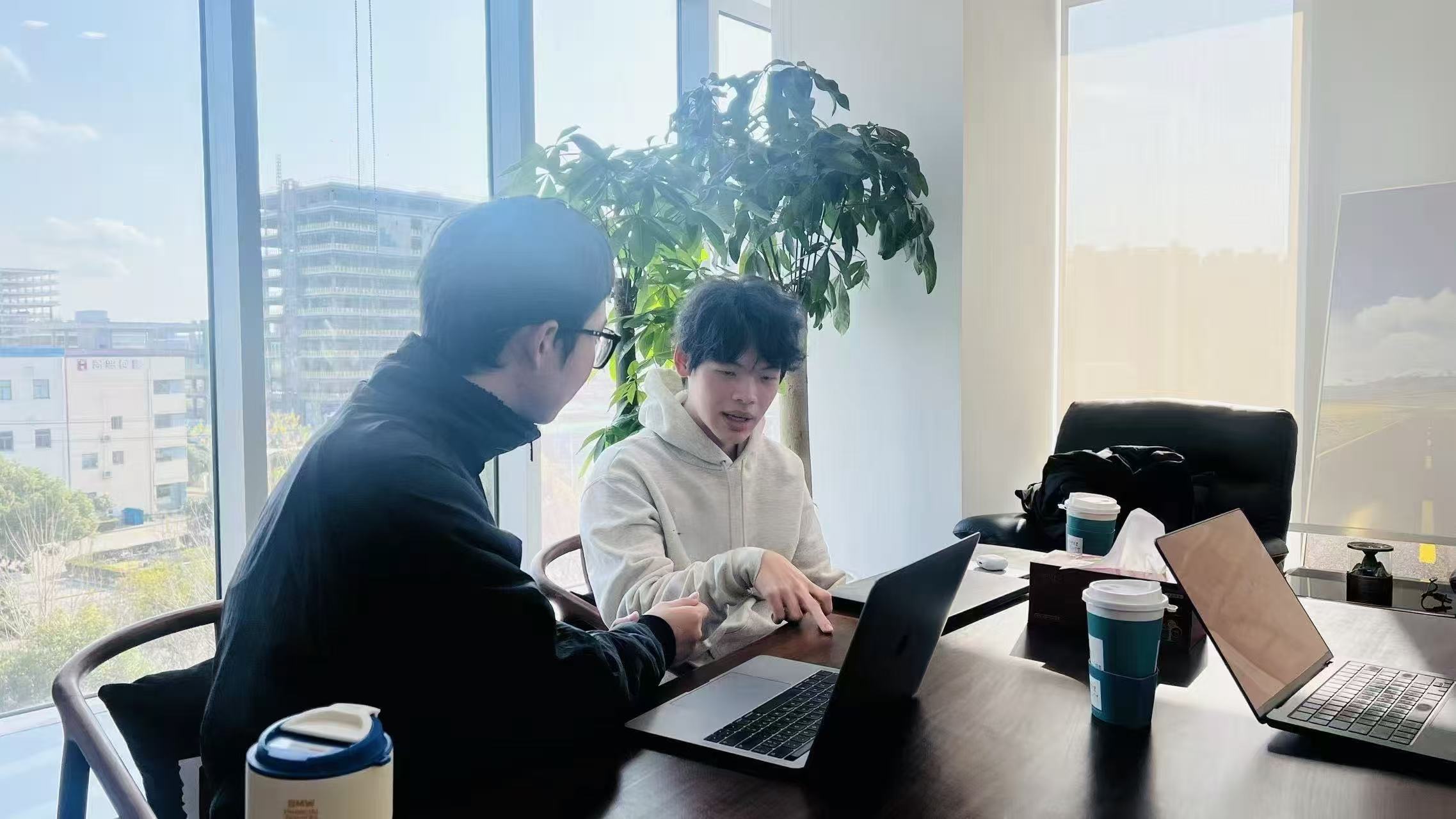
Some of the work happened around a meeting table, some inside shops, and some through technical conversations. Each time, we came back to the product and changed the next version.
We first mapped a shop from opening to closing, then chose the few problems worth solving first.
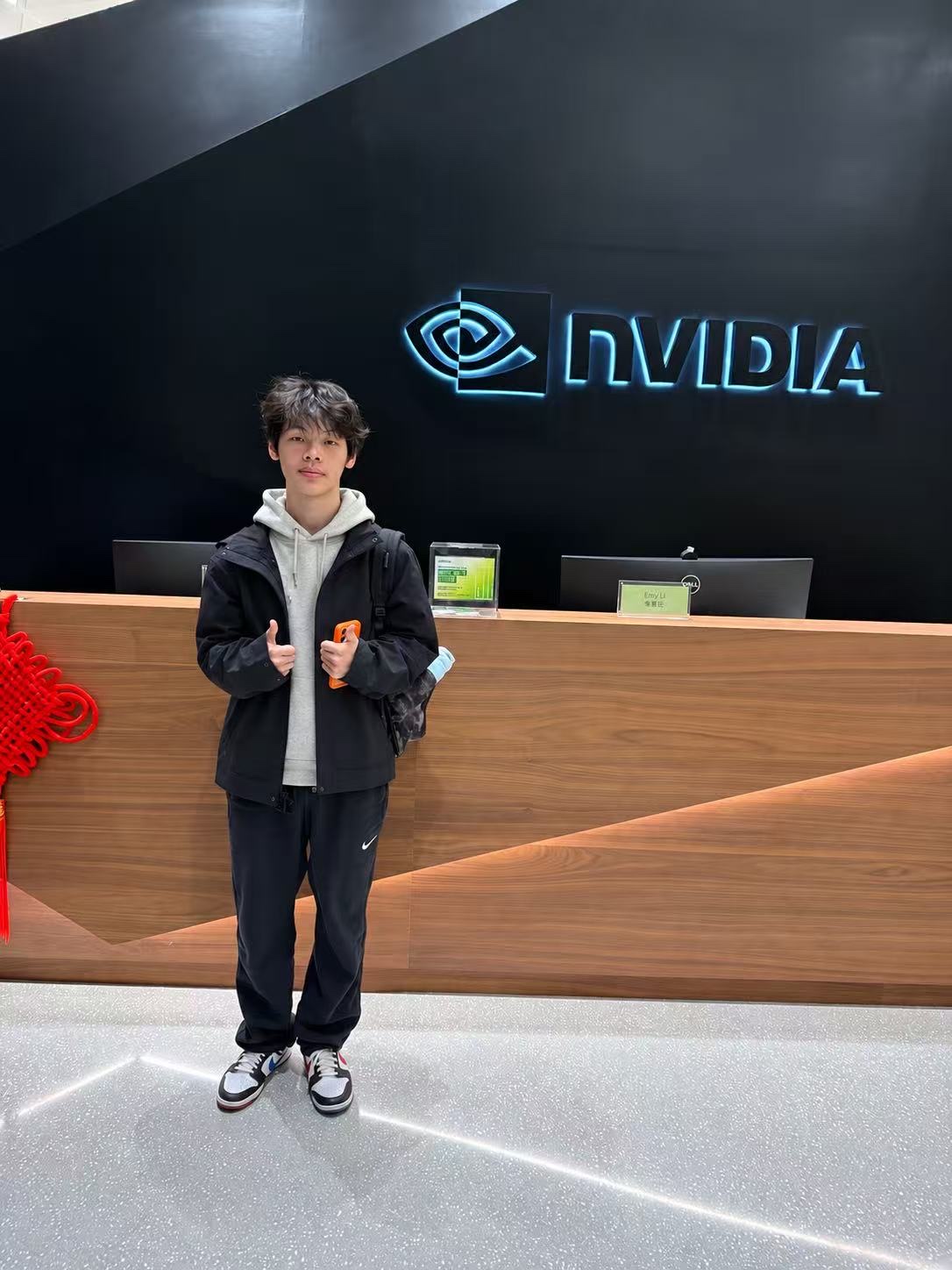
Visiting NVIDIA and SAP and speaking with people in the industry helped us ask practical questions: how can the system be more stable, faster, and less expensive to run?
After every conversation, the real work is putting the useful part into the product and asking an owner to try it.
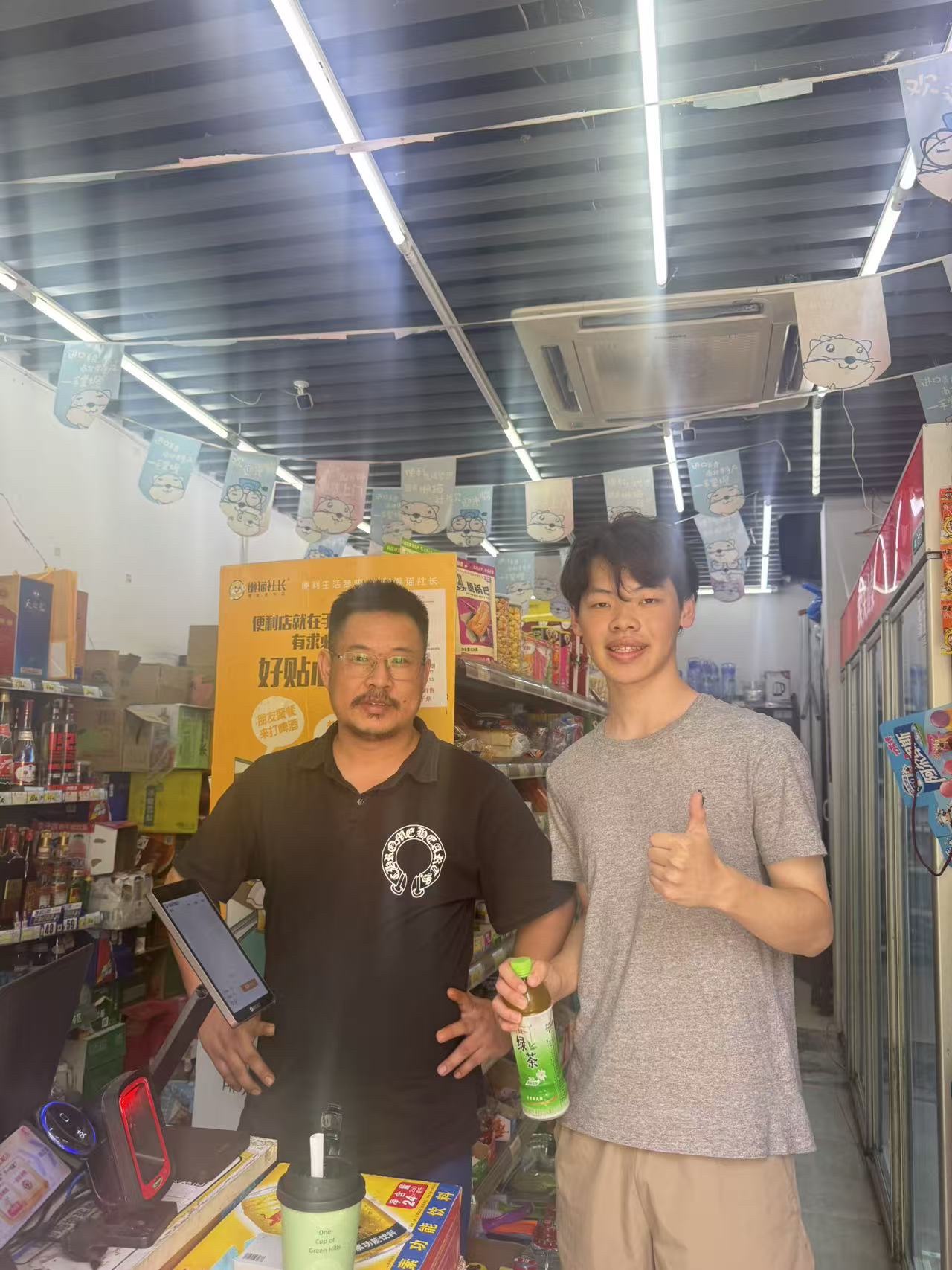
This photo was taken with the first shopkeeper who sat down with us. The conversation was straightforward: how he kept records, how he ordered stock, and where time disappeared. Many BizEase decisions still begin with conversations like this one.
There was no elaborate presentation that day. We listened to how the owner kept records ordered stock and handled the interruptions of a normal shift. Back at the table we changed what the product should solve first.
Understand the owner’s existing way of working
See how the counter shelves and checkout connect
Put only the time-saving parts into the next version
Give it to an owner first. If something gets in the way, fix that part.
A restock suggestion should show the information behind it, not just a number.
Collect only what the product needs and do not reuse shop records for unrelated purposes.
The business must be sustainable, but affordability for small shops matters too.
If you run a small shop—or know an owner willing to test BizEase—please get in touch. One honest session in a shop is more useful than ten meetings.